

Institutional Impact Assessment
- Home
- Institutional Impact Assessment
Ready to Explore India’s Opportunity?
India is one of the world’s largest and most dynamic education markets. Let us help you build your entry roadmap, test your product, and prepare for long-term success.
connect@demo.indiaedxpert.com
Institutional Impact Assessment
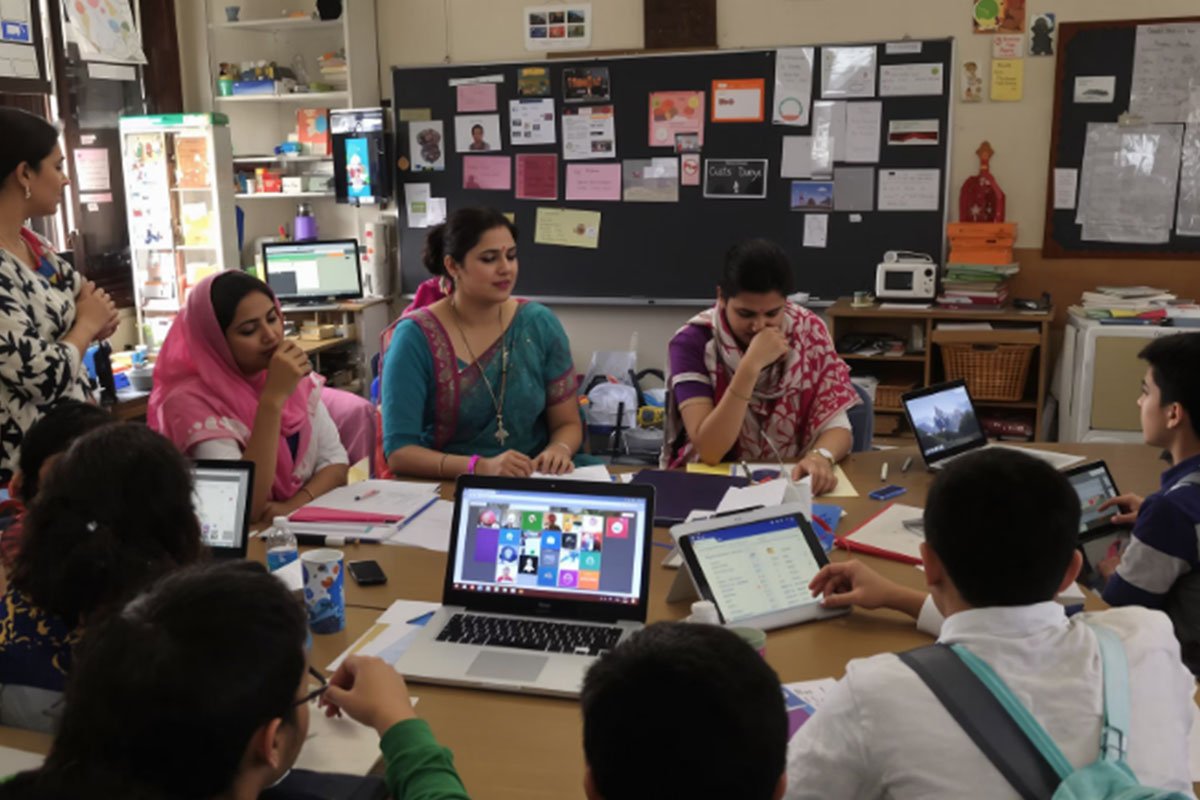
We guide global EdTech brands in testing their offerings with real Indian classrooms, ensuring meaningful insights and localized readiness.
Related guide: Five measures for evaluating EdTech in Indian schools
Our Approach
Adapting your solution to fit Indian educational contexts and requirements.
Ensuring smooth deployment and proper usage of your solution.
Identifying the ideal schools for your pilot based on your goals.
Measuring outcomes and providing actionable feedback for market success.
Outcome
- An Impact Study Report with Real-world data and feedback that de-risks your India launch.
Five practical benefits of an Institutional Impact Assessment
An Institutional Impact Assessment gives an education company structured evidence about how its product works in real Indian school settings. The scope is agreed around your product, target learners and business questions, so the findings can guide a specific decision rather than produce a generic overview.
- Understand classroom fit. See how the product aligns with lesson routines, timetables, available devices and the school context.
- Hear from educators. Gather teacher feedback on usability, training, classroom integration and the support needed for sustained use.
- Identify localization needs. Surface language, examples, learning activities or access barriers that may need adaptation for the intended learners.
- Review evidence of use and learning. Where included in the agreed design, use baseline and endline assessments alongside observations and stakeholder feedback.
- Plan informed next steps. Prioritise product changes, implementation support and questions that need further validation before wider expansion.
What the assessment examines
Depending on the agreed scope, the assessment may look at learner participation, teacher confidence, fit with curriculum and classroom practice, implementation requirements, and feedback from school leaders, educators and students. The questions and measures are selected to match the product and context. Results from participating schools are reported with their context and are not presented as representative of every school in India.
How the assessment works
IndiaEdXpert works with the education company to define objectives, school profiles, learner groups, duration and evidence requirements. We support school selection and mobilisation, orient teachers, and follow implementation with the school team. When included, baseline and endline assessments provide a before-and-after view; interviews, observations and feedback add context to the numbers. The approach can include an on-ground project manager where the engagement requires it.
Reporting and next steps
The final report presents the agreed evidence, key findings, implementation lessons and recommendations. For multi-school engagements, reporting can include school-level observations and a consolidated view. Recommendations may address product localization, teacher orientation, implementation support and further assessment. The report distinguishes what was observed from interpretation, so your team can weigh the findings against its own market-entry priorities.
To discuss an assessment, share your product, target learners and the decision you need to make. Contact IndiaEdXpert to scope the work around those questions.